
top of page

Starting a fashion brand can feel surprisingly lonely in the beginning, especially when you don't feel like you're part of the club - ahem - the fashion insiders.


You’ve got this idea that keeps following you around in the back of your mind, you’re constantly saving inspiration, researching suppliers, watching brand founders online, and trying to piece together how all of this works, but half the time it feels like everyone else somehow knows something you don’t.

And the reality is, fashion can feel like a very closed industry when you’re first trying to get into it. Funnily enough this industry is the only one I've ever known and I didn't appreciate that startups feel like outsiders until I started working with them. That's when I decided I wanted to lift the velvet rope on the fashion industry and let the outsiders in.


A lot of people looking in from the outside assume you either need a fashion degree, industry contacts, loads of money, or years of experience before you’re “allowed” to take yourself seriously as a founder. What I’ve actually seen over the last 20 years working in fashion, and especially over the last decade mentoring startup founders, is that most people don’t lack ideas or ambition. They lack access. Access to the right information, access to guidance, access to understanding how the industry actually works behind the scenes.


Which is exactly why I created these free resources in the first place.

Not because I think launching a fashion brand is easy, and definitely not because I believe you should wing your way through it with a Canva logo and a dream, but because I know how overwhelming it can feel when you’re serious about your idea and you don’t know where to begin.

Over the years, I kept seeing the same pattern. Founders spending months researching but never really moving forward because every piece of information online seemed disconnected from the next. One person tells you to find a manufacturer. Another tells you to build an audience first. Someone else is shouting about branding, while TikTok is convincing you that you can launch a six-figure clothing brand in three weeks from your bedroom.


Meanwhile, you’re sitting there wondering what actually matters, what order to do things in, and whether you’re already making mistakes before you’ve even started.

So if that sounds familiar, here are the free resources I’d recommend starting with.


Your Fashion Brand Launch Blueprint


This is probably the best starting point if your brain currently feels like fifty tabs are open at once.

One of the biggest misconceptions around starting a clothing brand is that people think they need more motivation, when most of the time what they actually need is structure. Because once you understand the stages involved in launching a brand properly, everything starts to feel far less chaotic.

The Blueprint was designed to help you understand the bigger picture. Not just “how to start a fashion brand” in theory, but the actual moving parts involved behind the scenes, from developing products and understanding sampling, through to branding, launch preparation, production, pricing, content, and building an audience around your idea.


What tends to happen with first-time founders is they jump straight to the exciting bits. Naming the brand, designing a logo, setting up Instagram, contacting factories before they’ve fully developed the collection. And while all of those things matter, there’s a reason so many brands end up overwhelmed halfway through the process.

The foundations were never built properly in the first place.

That’s why this resource exists. To help you slow down slightly, understand the process, and start making decisions with more clarity and confidence rather than constantly second-guessing yourself.


The Fashion Founder Quiz

This one came from years of conversations with people who kept saying things like:

“I don’t know if I’m ready yet.”“I feel like I should know more before I start.”“I’ve been researching for ages but still don’t feel confident.”

And usually, once we started talking properly, the issue wasn’t that they weren’t capable of launching a fashion brand. It was that they were stuck somewhere between learning and doing.

They’d consumed loads of information but still didn’t fully understand where they personally fitted into the process.

The quiz helps you identify where you’re currently at as a founder, where your strengths already are, and where your biggest gaps might be right now. Because for some people, the missing piece is confidence. For others, it’s understanding production. For others, it’s structure, accountability, or simply having someone explain the industry in a way that actually makes sense.

I think one of the reasons people stay stuck for so long is because fashion often gets presented in extremes. Either it’s portrayed as impossibly elite and inaccessible, or it’s made to sound so easy online that people completely underestimate what goes into building a successful brand.

The truth usually sits somewhere in the middle.

You absolutely can launch a fashion brand without industry experience, but you do need to understand how the industry works, and there is a huge difference between casually liking fashion and building a brand that’s commercially thought through.


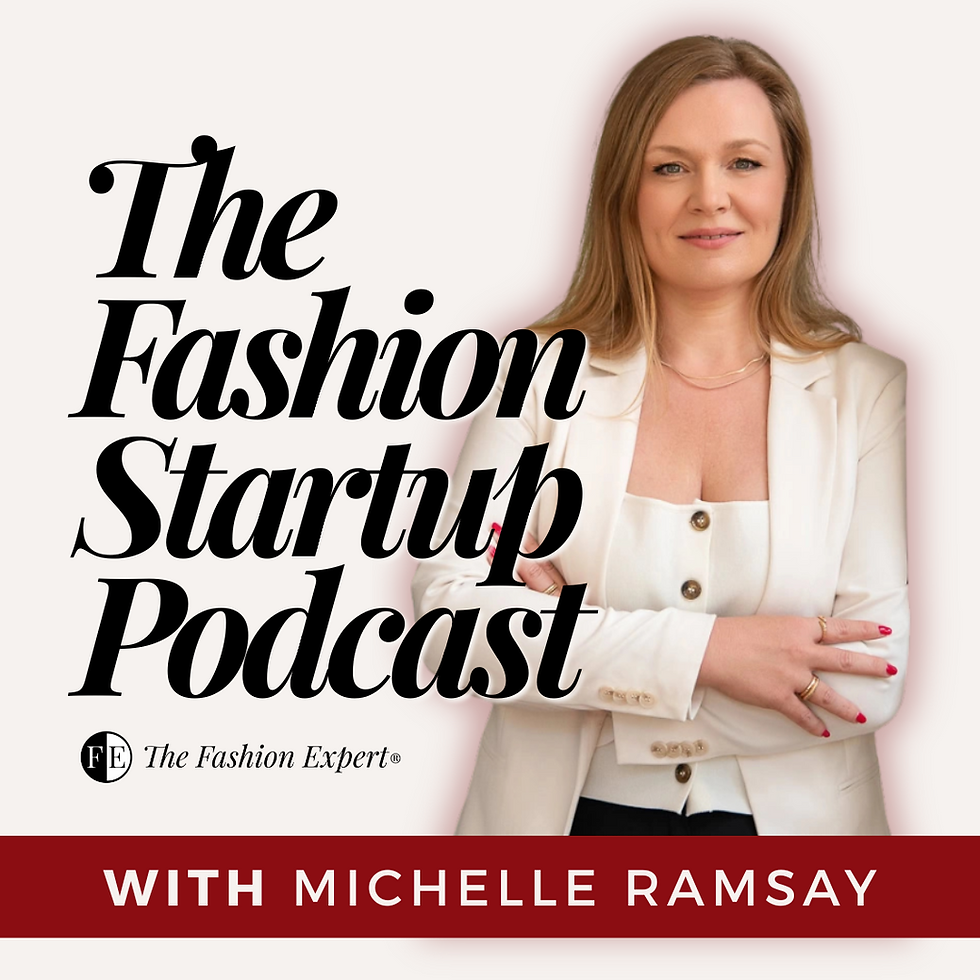
The Fashion Startup Podcast


The podcast is probably the closest thing to sitting down with me for a proper conversation about the industry.

I started it because I wanted founders to hear more honest discussions about what building a fashion brand actually looks like behind the scenes. Not just polished success stories, but conversations about production, mistakes, mindset, growth, confidence, creative process, pricing, branding, and the realities of trying to build something in a very competitive industry.

For a lot of people entering fashion for the first time, it can feel like everyone else already knows the rules of the game.

And sometimes all you need is to hear somebody explain things in a normal way.

Over the years, I’ve worked with founders from all kinds of backgrounds. Teachers, nurses, personal trainers, corporate professionals, mums returning to work, people running side hustles alongside full-time jobs. Most of them had never worked in fashion before they started their brand journey, which is why I’m so passionate about making the industry feel more accessible and less intimidating for people coming into it from the outside.

That doesn’t mean lowering standards. If anything, it’s the opposite. I want founders to understand the industry properly so they can approach it professionally from the start rather than wasting time, money, and energy trying to figure everything out through trial and error.


The Discovery Call


I know discovery calls can sometimes feel intimidating when you’re new to the industry because people immediately assume they’re walking into a hard sell. I hate pushy sales too, so that’s never been my approach.

The whole point of the discovery call is to give us a chance to talk about your idea properly, where you’re currently at, what stage you’ve reached, and what kind of support might actually make sense for you. Sometimes people come onto the call convinced they need design support when actually what they really need is strategy and direction first. Other people have spent so long researching that they’re more ready than they realise and simply need help moving into the next design phase for tech packs.

And sometimes people just need reassurance that the questions they’re asking are normal.

Because trust me, after working with startup founders for years, there are very few questions I haven’t heard before.

Let's also not forget that it's good to meet online to see if we would be a good fit for each other too - do you like my approach, do we gel, is your project appropriate etc. Fashion has traditionally been quite gatekept, and I’ve always wanted my corner of the industry to feel different from that. I want people entering this world to feel welcomed, informed, and supported while still understanding the realities of what building a brand involves.


My Blog & Emails


A lot of people actually find me through Google because they’re searching very specific questions like:

  • how to start a fashion brand?

  • what is a tech pack?

  • how clothing samples work

  • how much it costs to launch a clothing brand

  • how to find manufacturers


And that’s exactly why I write so much educational content.

Because I know what it’s like when you’re desperately trying to connect the dots and every article online either feels incredibly vague or assumes you already understand fashion terminology.


So whether it’s the blog, emails, podcast, downloads, or free resources, everything I create is designed to help first-time founders understand the industry properly and feel more confident navigating it.

Not perfectly overnight and definitely not by skipping steps, but properly.

Your idea deserves more than sitting in your Notes app for the next five years wondering “what if?” - your idea belongs in fashion and so do you!


And if you’re serious about building something in fashion, you don’t need to have all the answers right now. You just need to start learning how the industry actually works and begin surrounding yourself with the right information, guidance, and support.

That’s exactly what these resources are here for.


See you in the front row,

Michelle Ramsay - The Fashion Expert®


About Michelle Ramsay – The Fashion Expert®

Michelle Ramsay is a fashion designer, startup mentor and fashion consultant with over 20 years of industry experience helping founders bring their fashion brand ideas to life.

Through The Fashion Expert®, she works with first-time and emerging founders on everything from design development and tech packs to manufacturing guidance, launch planning and one-to-one mentoring, helping turn messy ideas and Pinterest boards into real collections ready for production.

After working with more than 400 fashion founders, Michelle has become known for helping people without fashion industry backgrounds navigate the process with clarity, confidence and expert support.

Creating a tech pack is a crucial step for any fashion brand aiming to bring designs from concept to production. Many founders underestimate what’s required, thinking a simple sketch will suffice. The truth is, manufacturers need precise, production-ready information to deliver quality garments on time and within budget. This post breaks down the essential elements every tech pack must include, with clear examples to help beginners understand what goes into a successful tech pack.


Eye-level view of detailed technical sketch of a jacket with measurements and fabric swatches
Detailed technical sketch of a jacket with measurements and fabric swatches


What a Tech Pack Is and Why It Matters


A tech pack is a blueprint for your garment. It communicates your design vision and technical requirements to the factory. Without a complete tech pack, manufacturers can misinterpret your design, leading to costly errors, delays, and wasted materials.


A well-prepared tech pack includes everything a factory needs to produce your garment exactly as you envision it. This includes technical sketches, measurements, materials, construction details, and more.


Technical Sketches


Technical sketches are the foundation of your tech pack. Unlike fashion illustrations, these sketches focus on accuracy and detail rather than artistic flair. They show the garment from multiple angles—usually front, back, and side views—and highlight key design features.


What to include in technical sketches:


  • Clear line drawings without colour or shading

  • Details like seams, stitching, pockets, zippers, buttons, and trims

  • Annotations pointing out special features or construction notes


Manufacturers rely on these sketches to understand the garment’s shape and design elements. A basic sketch isn’t enough; it must be precise and clear.


Measurements and Size Specifications


Accurate measurements are critical. This section, often called the size spec sheet, lists all the dimensions for each size you plan to produce. It ensures the garment fits as intended.


Key points for measurements:


  • Include all relevant points such as chest, waist, hip, sleeve length, inseam, and garment length

  • Provide tolerances (acceptable measurement variations)

  • Use consistent units (inches or cms)

  • Include grading rules if you plan multiple sizes


For example, a T-shirt tech pack might list chest width, body length, shoulder width, and sleeve length for sizes S, M, L, and XL.


Bill of Materials (BOM)


The Bill of Materials lists every component needed to make the garment. This includes fabrics, trims, labels, threads, buttons, zippers, and any other materials.


What to specify in the BOM:


  • Fabric type, weight, and composition (e.g., 100% cotton jersey, 180 gsm)

  • Color codes or Pantone references

  • Trim details like zipper length, button size, and thread color

  • Supplier information if available


A detailed BOM helps factories source the correct materials and avoid substitutions that could affect quality or appearance. Sometimes this is a separate sheet but sometimes this information is woven throughout the tech pack in different areas.


Construction Details


This section explains how the garment should be assembled. It covers stitching types, seam allowances, finishing techniques, and any special instructions.


Examples of construction details:


  • Stitch type (e.g., flatlock, overlock, single needle)

  • Seam allowances (e.g., 1 cm or 3/8 inch)

  • Reinforcement areas (e.g., bartacks at pocket openings)

  • Details on hems, collars, cuffs, and linings


Clear construction notes prevent misunderstandings and ensure the garment is built to your standards.


Labels and Branding


Labels are small but important. This section specifies the type, placement, and design of all labels and branding elements.


Include:


  • Care labels with washing instructions

  • Brand labels with logo placement and size

  • Hangtags or stickers if applicable

  • Label materials and attachment methods (e.g. sewn-in, heat transfer)


Proper label instructions help maintain brand consistency and comply with regulations.


Colourways


If your garment comes in multiple colours, list all colour options with exact references. Use Pantone numbers or fabric swatches to avoid confusion.


Tips for colourways:


  • Include colour names and codes

  • Specify which trims or labels change with color

  • Provide photos or fabric samples if possible


This section helps factories prepare for different production runs and maintain color accuracy.


Packaging (Optional but Valuable)


Packaging instructions are often overlooked but can add strong authority to your tech pack. This section details how the finished garments should be packed and shipped.


Packaging details might include:


  • Folding instructions

  • Polybag size and type

  • Hangtags or stickers placement

  • Carton dimensions and labeling


Clear packaging guidelines reduce damage during shipping and improve presentation for retail.


Creating a detailed tech pack is one of the most important parts of developing a fashion product properly because it helps reduce misunderstandings, improve sample quality, minimise costly mistakes and give your factory clear instructions to work from.


The problem is that a lot of first-time founders assume they need to know how to create all of this themselves before they’re “ready” to move forward, and that’s usually where people end up disappearing down months of research, trying to learn Adobe Illustrator, fashion terminology, garment construction and technical specification sheets all at once.


But what if there was a better way?


Most of the founders I work with don’t come to me with polished technical drawings or professionally prepared documents. They come with ideas, Pinterest boards, screenshots, rough sketches, voice notes, fabric inspiration and a vision they don’t quite know how to translate into something production-ready yet.


My role is to take that messy “brain dump” of ideas and turn it into something a factory can actually work from, whether that’s one product you’re trying to bring to life or an entire clothing collection.


Together, we’ll shape the collection strategically, discuss fabrics, construction, fit, product details and manufacturing considerations, and then I’ll go ahead and create the technical designs, tech packs, size specifications and any bespoke prints or graphics needed to prepare your collection for sampling and production.

Because the reality is that a strong tech pack can save you a huge amount of time, money and frustration in the long run. Better communication usually leads to better samples, fewer revisions, fewer misunderstandings and a much smoother production process overall.


So if you’ve reached the stage where you’ve got lots of ideas but you’re struggling to figure out how to turn them into professional tech packs and real products, then this is exactly the kind of thing I help founders with every day.

You don’t need to have everything figured out before getting support and if you'd like a complimentary call to understand how I can help you then click here.


See you in the front row,

Michelle Ramsay - The Fashion Expert®


Something that has been coming up a lot lately with fashion founder clients who are just starting out, in the middle of sampling and production or getting ready to launch their clothing brand in the next few weeks, is the pressure they put on themselves to launch quickly.


Usually, what happens is someone picks a date in their head and it starts to become this fixed point that everything has to revolve around. They might want to launch before summer, or before Christmas, or before a particular event, or maybe they’ve just had the idea for so long that they feel like they need to get it out into the world as quickly as possible.


And I completely understand that feeling because when you’ve been working on your fashion brand idea for months, or sometimes years, you want it to be real. You want to finally be able to say, “This is my brand, it’s live, here it is.” But the problem is that a lot of founders become emotionally attached to a launch date that is often completely self-imposed, and then suddenly everything becomes about forcing the collection, the production, the website, the photography, the content and the marketing to somehow all line up perfectly for this one date.


The rest of the world usually doesn’t know about that date yet, but you do, and that can be enough to make it feel like everything is falling apart when things inevitably start to shift.

That’s the thing with starting a fashion line - there are so many moving parts involved in launching a brand, and even with the best planning in the world, some things will always be outside your control.


Samples might need revising, fabrics might be delayed, trims might go out of stock, production might take longer than expected, packaging might not arrive when you thought it would, photography might need to be rescheduled or your website might take longer to pull together than you hoped.


None of this means you’re failing it just means you’re working in the fashion industry!


I think that’s something that can be really hard to understand when you’re new to the industry because from the outside, fashion has this reputation for being fast-paced, and it is, but that doesn’t mean every single part of the process can happen instantly just because you’ve picked a date and decided that’s when everything needs to be ready.


Factories have lead times, sampling takes weeks, production takes months, shipping schedules change. For the record, I’m not saying this because I want founders to drag their heels or keep putting things off, because there’s a big difference between giving yourself a realistic runway and hiding behind perfectionism. What I am saying is that trying to force a fashion launch into an unrealistic timeframe usually creates more problems than it solves.

The biggest issue with rushing is that it often leads to compromise, and that’s the part I think founders need to be really careful with.


You might start approving products you’re not fully happy with because you’re desperate to hit the date. You might rush your photography because you feel like there’s no time to reshoot. You might launch with a weaker website than you wanted, skip important pieces of content, reduce the collection in a way that doesn’t really tell the story you wanted to tell, or cut corners on things that actually matter to your customer experience. And at that point, the launch date starts becoming more important than the brand itself.


That’s usually where I want founders to pause and ask whether this date is genuinely strategic, or whether it’s just a date they chose at some point and are now trying to force everything around.


One of the first things I do when I sit down with a client, whether we’re designing the collection together, working on tech packs or they’re inside The Fashion Startup Academy, is look at the timeline properly. We talk about the season, the product, the stage they’re currently at, what still needs to happen, what could realistically go wrong, and whether the date they have in mind actually gives them enough space to create something they’re proud of.


Sometimes that means gently saying, “I think we need to push this back.”

And I know that can feel really frustrating when you’ve got your heart set on a date, but after working with more than 400 fashion founders, I’ve seen this enough times to know that a bit of breathing space can make all the difference.

It gives you time to fix problems properly, make better decisions, get the product right, prepare your marketing, build your audience and actually launch in a way that feels considered rather than chaotic.


This has been such a relevant conversation with clients recently, and it was funny because I actually had to have a word with myself about the exact same thing in my own business.

Behind the scenes, I’ve been working on new content and updates for The Fashion Startup Academy because the doors are opening again in September, and somewhere in my head I’d picked one of those arbitrary dates where I thought I’d have everything ready much earlier.

Then life got in the way, client work needed my attention, other parts of the business became the priority, and suddenly I found myself feeling behind because I hadn’t hit this date that, let’s be honest, nobody else even knew about.


Reality check, I was the only person putting that pressure on myself.

So I had to take my own advice and ask whether rushing to meet that internal deadline was actually going to create the best experience for the founders joining the Academy, or whether it would be better to give myself the space to do it properly.

And the answer was obvious.


Pushing the launch back to September gives me the time to create the content, refine the programme and make sure the experience is at the high standard I always deliver, and that feels far more aligned than rushing just so I can tick a date off in my own head.

It was a good reminder that even when you’ve been in business for years, it’s still really easy to fall into the trap of thinking everything has to happen immediately.


This is why I think having someone objective in your corner can be so valuable when you’re building a fashion brand, because when it’s your own brand, your own idea and your own money on the line, it’s very easy to lose perspective and feel like every delay is a disaster.

Some of the one-to-one sessions I have with founders are incredibly practical, where we’re looking at products, fabrics, factories, timelines, pricing, tech packs or launch plans, but some of them are also a little bit like fashion therapy, because sometimes what someone really needs is to lay everything out on the table and have someone help them work through it calmly.


We look at what’s actually happened, what the options are, what needs to be prioritised, what can wait, what the next step should be and whether the original plan still makes sense.

And it’s amazing how often someone comes into a session feeling like everything is falling apart, then leaves with a much clearer head because there’s suddenly a plan again, cue the massive relief and weight lifted off your shoulders feeling!


If you’re sitting there with a fashion brand idea and you’ve set yourself launch dates in the past that have come and gone, I really don’t want you to read this and think, “Oh, I’ve failed.” Around here in my community of first-time fashion founders, I’d much rather we look at what happened, why it happened and what support, structure or clarity might help you move forward in a way that actually works.

Because sometimes the issue isn’t that you’re not serious enough, it’s that you’re trying to navigate an industry with a lot of moving parts without having a realistic roadmap in place.


Trying to launch a fashion brand quickly might feel like the thing that proves you’re making progress, but sometimes the most strategic thing you can do is slow down enough to build the brand properly. The goal isn’t to launch fastest. it's to launch something you’re actually proud to put your name on.


See you in the front row,

Michelle Ramsay - The Fashion Expert®


About Michelle Ramsay – The Fashion Expert®

Michelle Ramsay is a fashion designer, startup mentor and fashion consultant with over 20 years of industry experience helping founders bring their fashion brand ideas to life.

Through The Fashion Expert®, she works with first-time and emerging founders on everything from design development and tech packs to manufacturing guidance, launch planning and one-to-one mentoring, helping turn messy ideas and Pinterest boards into real collections ready for production.

After working with more than 400 fashion founders, Michelle has become known for helping people without fashion industry backgrounds navigate the process with clarity, confidence and expert support.

bottom of page