top of page

Advice for clothing brand founders - from idea to launch

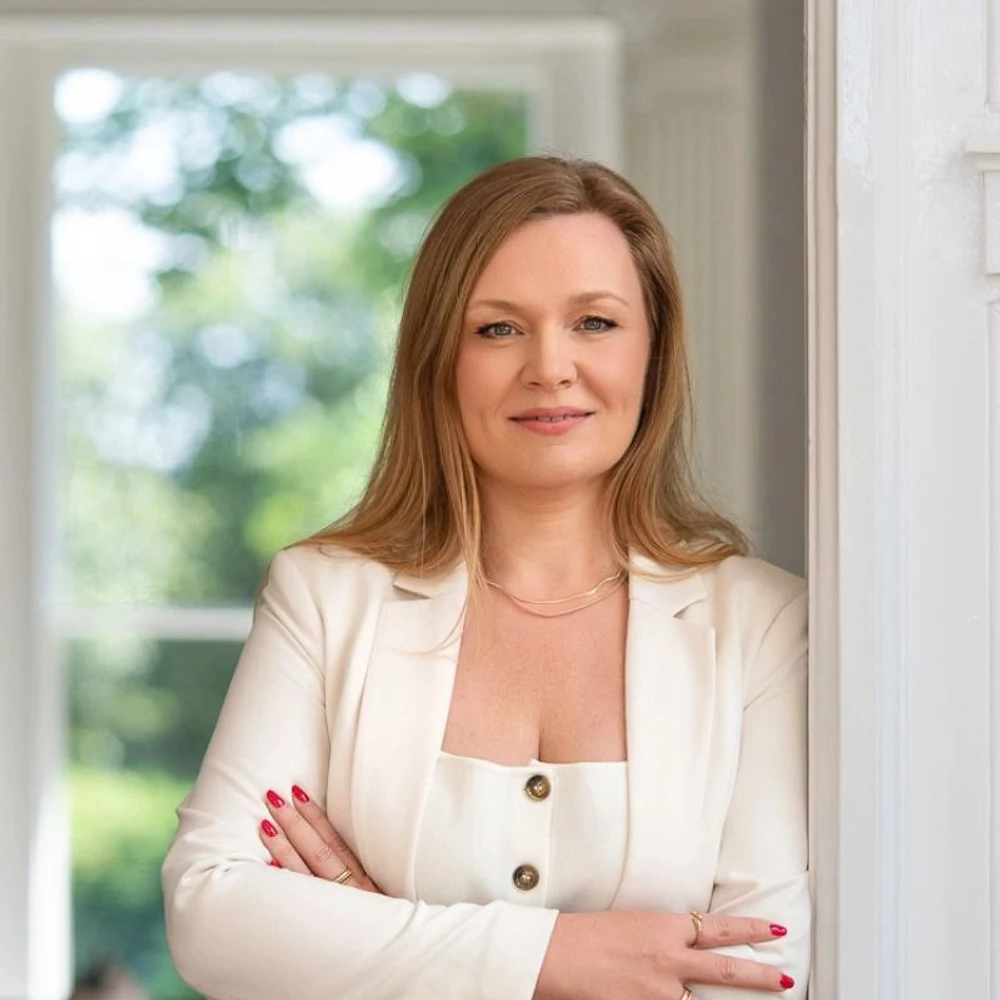
Whether you're figuring out tech packs, looking for a manufacturer or trying to work out where to start, you'll find honest, experience-backed advice here. Every post is written by Michelle Ramsay, a freelance fashion designer and startup mentor with over 20 years of industry experience.

One of the biggest misconceptions I see with first-time fashion founders is thinking they need to have everything figured out before they’re ready to start developing their collection, and this is one of the biggest reasons founders get stuck.


Most people start with something like, “I’ve got an idea for a clothing brand”, or “I wish this product existed”, or “I feel like there’s a gap in the market”, then once that idea has been brewing for a little while, they naturally start gathering inspiration because that feels like the obvious next step.


This can be making Pinterest boards, creating mood boards, collecting screenshots of things they’ve seen online, saving references from brands they love, making notes in their phone or maybe even doodling rough sketches of ideas they’re trying to bring to life.


If the idea is more innovative or technical, then that research might look slightly different. such as comparing existing products on the market, researching fabrics or technologies, looking at construction details or trying to figure out how a product could work better than what already exists.


This stage is exciting because it feels productive while you build this huge collection of ideas, inspiration and information, during what I call the “brain dump” stage because all of the ideas in your head finally starting to live somewhere outside your brain. You’re actively doing something, you’re shaping the vision and for the first time you can actually start seeing what this clothing brand or product could become.


Most people hit the same brick wall somewhere around this point where they start thinking, “OK… but how do I actually turn this into designs?” and it’s normally when the self-doubt starts creeping in because suddenly the focus shifts away from the idea itself and onto all of the things you feel like you don’t know.


People start thinking things like, “I don’t know how to sew”, or “I can’t draw”, or “I don’t know how garments are constructed.” A lot of people start feeling intimidated by fashion terminology or technical details and begin worrying about how they would ever explain their ideas to a factory if they don’t know the “correct” fashion industry language.


And sadly, this is the point where I think a lot of founders quietly convince themselves they’re not qualified enough to move forward.


Out of the 400+ fashion founders I’ve worked with over the years, only a tiny handful had any real fashion industry experience before starting, so if you’re sitting there thinking you’re the only one feeling like this, I promise you you’re not - it's completely normal to let these doubts creep in but how do you handle this stuck phase?


Well around here in my community of first-time fashion founders you're not expected to magically know how to do every role inside the fashion industry before starting your fashion brand, but what I see happen a lot is founders panicking and thinking they need to go away and “fix” all of those skills gaps themselves before they’re allowed to move forward.


So they enrol on sewing courses because they think they need to understand construction, or they spend months trying to learn Adobe Illustrator because they think that’s what “real” fashion designers do - hello expensive software and laptops and disappearing down endless research rabbit holes to learn vector drawing.


For the record, I’m absolutely not against learning new skills because if you genuinely want to learn to sew or learn digital design as a hobby or long-term skill, then amazing. But I do think there’s an important question to ask yourself, which is whether this is actually helping you launch your fashion brand faster and more strategically? Or just an act of active procrastination?


Because often what happens is people spend six months trying to become beginner designers, beginner sewists and beginner garment technologists all at once, when what they really needed was someone who could help translate the vision they already had.


I say this as someone who is a professional designer - learning software like Adobe Illustrator or how to sew is not something you magically pick up overnight. There’s a proper learning curve, and I think people massively underestimate that because social media makes it look instant.


So when founders tell me they’ve spent months trying to learn all of this themselves but still don’t feel any closer to launching their brand, I completely get it.


But what if there was a better way?


The way I work with clients is actually really collaborative and probably much less intimidating than people imagine and here's the best bit - I actually WANT the messy brain dump!

I wanna see the Pinterest boards, the rough notes, the screenshots and the “bad” sketches that you’re apologising for. I want the ideas that are half-written in your Notes app and the references you’ve been collecting for the last two years, because my role is not to sit there judging whether you know enough, it's to ask the right questions, identify the gaps, shape the collection strategically and help bring the vision to life in a way that actually works.


Most clients come to me with exactly what I’ve described above in the messy middle phase with half-formed concepts and a vision they don’t quite know how to make and that's where I work my magic.


When someone books in with me, we sit down together and go through everything they’ve gathered and start discussing things like fabrics, construction, product selection, technical details, silhouettes, colours and how the collection might work commercially. We look at where there are gaps, where extra support is needed and how we turn this from “lots of ideas” into a real collection with actual next steps - usually tech packs.


And what’s interesting is how quickly things start feeling clearer once someone stops trying to hold all of those moving parts in their own head, in the space of an hour, suddenly there’s structure, direction and a plan.


I always say that what we can often achieve in one focused hour together is far more productive than months spent trying to figure everything out alone, because we’re not starting from zero - you already have the vision but what you’re usually missing is the bridge between “I have an idea” and “I know how to move this forward properly.”


If you’re sitting at that stage where you’ve got lots of ideas but you’re struggling to figure out how to turn them into an actual collection, then this is exactly the kind of thing I help founders with every day.

Whether you need help designing your products, developing your collection, creating tech packs or simply figuring out what the next step even is, we can sit down together and work through it strategically.

In just one focused hour, we can usually take that messy “brain dump” of ideas and turn it into something much more structured, tangible and clear, so you leave knowing exactly what direction you’re moving in and what needs to happen next.

And if you’re not quite ready for that yet, that’s completely fine too. You can always book a complimentary chat first and we can talk through where you’re at with your fashion brand, what kind of support you might need and how I can help you move things forward.

Because you really don’t need to have everything figured out before starting the conversation.


See you in the front row,

Michelle Ramsay - The Fashion Expert®
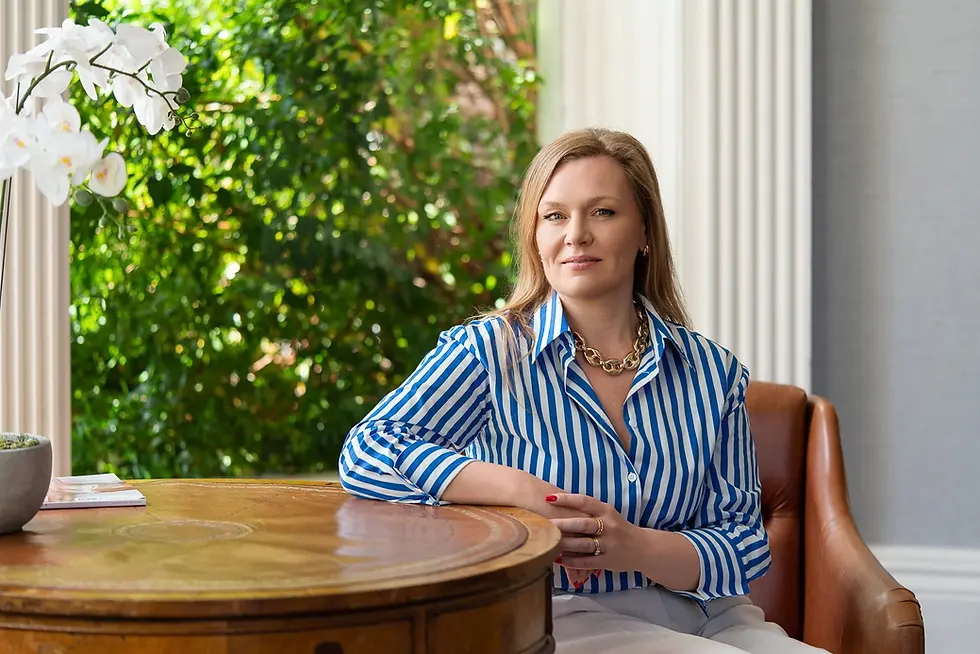


About Michelle Ramsay – The Fashion Expert®

Michelle Ramsay is a fashion designer, startup mentor and fashion consultant with over 20 years of industry experience helping founders bring their fashion brand ideas to life.

Through The Fashion Expert®, she works with first-time and emerging founders on everything from design development and tech packs to manufacturing guidance, launch planning and one-to-one mentoring, helping turn messy ideas and Pinterest boards into real collections ready for production.

After working with more than 400 fashion founders, Michelle has become known for helping people without fashion industry backgrounds navigate the process with clarity, confidence and expert support.

Starting a fashion brand feels super exciting but sometimes a lack of design skills can worry first-time fashion founders. But here's the good news...you can hire a designer to bring your ideas to life.


However, if you’re not a designer yourself, you might be wondering how can you find the right fashion designer for your clothing brand and what to look for.


Whether you need someone to sketch your initial ideas, create technical drawings, or guide you through the manufacturing process, finding the right expert is crucial. In this guide, I’ll walk you through everything you need to know to find a fashion designer for your startup.


1. Understand What Type of Fashion Designer You Need & The Help You Need.

Before you start your search, be clear about what kind of support you need. There are different types of fashion designers, and not all of them will be right for where you are in your journey.

  • Concept Designers – ideal if you need help refining your ideas, building mood boards, and getting your initial sketches onto (digital) paper.

  • Technical Designers – who specialise in turning ideas into professional tech packs that manufacturers can understand and work from.

  • Full package Designers - like me, who can take you from a raw idea all the way through to factory-ready designs and tech packs, and support you through sampling and production too.


    Understanding which of these you need will help you narrow your search and make sure you're not paying for things you don't need or missing the support you do!


2.What Makes a Great Fashion Startup Designer?

Something nobody tells you when you're starting out is producing a pretty picture is one thing. Knowing that it's going to work in the real world (production) is a completely different skill set.


A great fashion startup designer isn't just someone who can draw well, they're someone who understands fabrics, construction, manufacturing processes, and what's going to happen to your design when it reaches the factory floor. Like me they've worked with manufacturers, know what a production-ready tech pack actually looks like, and seen enough samples come back wrong to know exactly why and how to prevent it.


This is especially important if you're a first-time founder with no industry background. If you don't yet know the difference between a woven and a knit, which stitch selection to use or why your seam placement matters, then you need a designer who can fill in those blanks for you. Not one who's going to blind you with jargon, but one who will sit down with you, explain your options, lay out the pros and cons, and help you make confident decisions - even when you feel like you're asking "silly" questions.


I'm a big believer in lifting the velvet rope on the fashion industry which feels like a closed door world, full of industry shorthand and unspoken rules. My whole approach is about making it accessible and helping founders understand not just what to do, but why, so they can move forward with confidence rather than just taking someone's word for it.


A good designer should make you feel at ease and you should be able to ask the questions that feel obvious or embarrassing to you. You should feel like you're working with someone who genuinely wants your brand to succeed, not someone who's talking over your head or over-promising things that aren't realistic. I get a lot of comments, particularly from female founders, that they appreciate that my approach is welcoming, professional and friendly and that there's no hustle culture hype or bro marketing. No unrealistic promises of going viral overnight, just honest, grounded support from someone who knows the industry inside out.


Looking for a freelance fashion designer who understands startups?

I work with first-time founders and established brands on everything from initial CADs to factory-ready tech packs, and I'll fill in the blanks so you don't have to.


3. Why Cheap Design Isn't Always Cheaper

There are plenty of cheap designers out there - often recent graduates, graphic designers, or freelancers from platforms where the priority is price rather than experience. And yes, they might be able to produce something that looks "pretty" but there's a saying - buy cheap, buy twice.


Poor designs and incomplete tech packs lead to costly sampling mistakes, and trust me when I say, (re)sampling is significantly more expensive than getting your designs right in the first place. If your tech pack is missing critical information, the factory will fill in the gaps themselves, usually in a way you didn't intend. You'll often end up paying for correction samples, extra rounds of revision, and delays that push your launch back further than you planned.


A cheap designer who can't anticipate these issues, who hasn't spent years working with manufacturers, and who doesn't understand real garment construction will cost you far more in the long run than investing properly at the initial design stage.


It's also worth being clear about what a fashion designer actually is. A fashion designer is not a graphic designer, nor someone producing CAD-style flat drawings on Canva or a platform like Fiverr without real industry knowledge behind them. A true fashion designer understands construction, fabrication, manufacturing tolerances and production realities. When you're investing in design for your brand, make sure you're working with someone who can take your product all the way from idea to production-ready not just someone who can make it look nice on screen to the untrained eye. Choose wisely.


4.You Don't Need to Have It All Figured Out

One of the things I hear most from founders is worrying they're not ready yet - and almost every time, they are. They just don't have the professional sketches or technical knowledge they think they need to get started and that's what's holding them back.


So here's how I actually work with clients: you don't need to arrive with anything polished. You can come with inspiration images from Pinterest, photographs of garments you love, rough sketches done on the back of a napkin, written notes, or even just a voice note rambling through your ideas. I'm used to working with a brain dump and turning it into a proper design brief and a real collection.


What I do in our design meeting is sit down with you and unpick all of that - figure out what you're actually building, how to piece the collection together, what's commercially viable, and what the right next steps are. You bring the vision and I bring the industry knowledge to shape it into something your manufacturer can actually work with.


The right designer will meet you where you are, so if you have design skills gaps, they should be able to fill them, if you don't speak the technical language of fashion yet, they should explain things in plain terms and if you're not sure what you need they should help you figure that out too.


5.What to Ask When Hiring a Fashion Designer

Once you’ve found a potential designer, ask the right questions to ensure they’re the right fit for you and align with what help you need. Here's what I'd be asking:

  • Do you have experience in my product category?

  • Can you share examples of previous work?

  • Can I see your client reviews?

  • What’s your process from idea to tech pack?

  • Do you have experience with manufacturers?

  • Which brands have you worked with previously?

  • Do you have experience working with first-time startup brands?

  • Can you help me with follow on services like sampling support, manufacturer communication and production?


That last one matters more than most people think, which brings me to the next point.


  1. Find Someone Who Won't Leave You Hanging

Getting your designs created is one thing, but what happens when your samples come back and you're not sure if the fit is right? Or the factory has questions about your tech pack and you don't know how to respond? Or you need someone to cast an expert eye over a manufacturer's quote before deciding who to work with?


Working with a freelance fashion designer who can be a sounding board beyond the initial design stage and can support you through sampling, production and the inevitable questions that come up is often worth far more than just the designs themselves. That kind of ongoing access to someone who knows the industry, knows your product, and can give you a straight answer is genuinely hard to put a price on.


It's the difference between getting a set of files handed over and moving on, versus building a working relationship with someone who's invested in your brand succeeding. When you're a first-time founder navigating an industry you're still learning so having that person in your corner matters.


7. Budgeting for a Fashion Designer

Fashion design services vary in cost depending on experience, location, and the scope of work. Design and product development typically accounts for around 10-20% of a fashion startup's total launch budget, which sounds modest until you realise it's the foundation everything else is built on. Get it wrong and you'll spend far more correcting it in sampling and production.

As a rough guide for first-time founders budgeting their first collection:

  • Tech packs in the fashion industry typically run £200–£500 per style for a professionally produced document depending on your designer

  • Full design services from concept to production-ready tech pack vary based on the number of styles and complexity of the collection - book a discovery call for a tailored quote for your idea.

  • Sampling costs vary in the industry £100–£500 per prototype, and most collections require 2-3 rounds, which is exactly why getting the design and tech pack right first time saves you significantly more money than it costs

The most expensive thing in fashion product development isn't a good designer - it's a bad one.


8. Working Successfully with Your Fashion Designer

Once you’ve hired a designer, here’s how to ensure smooth collaboration:

  • Be clear on your vision – Provide references, sketches, and mood boards.

  • Agree on timelines – Set realistic deadlines for sketches, revisions, and final tech packs.

  • Keep communication open – Regular check-ins help avoid misunderstandings.


Ready to Find Your Perfect Fashion Designer?

Finding the right fashion designer for your startup isn't just about who can produce the best-looking drawings. It's about finding someone with the real-world industry experience to make sure those designs actually work — in the factory, in production, and ultimately in the hands of your customers.


If you're ready to bring your brand to life, I'd love to help. Book a free discovery call and let's work out the best way forward for you.

Want to work with me? Book a free discovery call here.


See you in the front row,

Michelle


Ready to Find Your Perfect Fashion Designer?

I work with first-time founders and established brands on everything from initial CADs and tech packs to branding, print design and manufacturing support. With 20+ years of industry experience and clients including Gymshark - let's chat about your brand.


About Michelle Ramsay – The Fashion Expert®

Michelle Ramsay is a fashion designer, startup mentor and fashion consultant with over 20 years of industry experience helping founders bring their fashion brand ideas to life.

Through The Fashion Expert®, she works with first-time and emerging founders on everything from design development and tech packs to manufacturing guidance, launch planning and one-to-one mentoring, helping turn messy ideas and Pinterest boards into real collections ready for production.

After working with more than 400 fashion founders, Michelle has become known for helping people without fashion industry backgrounds navigate the process with clarity, confidence and expert support.


"Michelle completely got our idea and vision from start to finish. We would highly recommend her to anyone who is starting a fashion brand." - Marie & Kriss, founders of Nevontaii Streetwear


Starting your fashion brand is exciting, but if you’ve been trying to turn your ideas into real samples, you might have hit a few roadblocks that are making you feel...well just a bit stuck tbh!

Maybe you’ve been Googling tech packs, watching hours of YouTube tutorials on Adobe Illustrator, or even trying to put one together yourself. And after all that effort? The samples still don’t look like what you imagined.

If that sounds familiar, you’re not alone. The good news? You don’t have to figure this all out on your own.


What is a Tech Pack, and Why Do You Need One?

A tech pack is basically a blueprint for your design. It tells a manufacturer exactly how to create your sample—measurements, fabrics, stitching details, trims, labels, and more. Without one, your manufacturer is guessing, which is why things can go so wrong.

Think about it like this: You wouldn’t build a house without architectural plans, right? A tech pack is the same for fashion—it makes sure your designs are executed correctly and saves you time, money, and stress.


Why DIY Tech Packs Don’t Always Work

Some fashion founders try to make their own tech packs and that's totally understandable as it often comes from a place of trying to save money, but here’s why that can slow things down or perhaps may not be the best model for you:


  • Learning Takes Forever – Adobe Illustrator isn’t exactly beginner-friendly(even for professional designer in the beginning), and trying to learn it while also launching a brand? That’s months (or even years) lost.

  • Mistakes Cost Money – If your tech pack isn’t clear, manufacturers might make samples that are completely off, leading to wasted time, materials, and money.

  • Manufacturers Expect Professional Docs – Factories work with a lot of brands, and they’re used to industry-standard tech packs. A solid, clear tech pack means fewer emails, fewer mistakes, and a much smoother process.

  • You may not have all the required technical knowledge. Sometimes we can't know what we don't know. So if you're trying to piece something together in a field that is new to you, it's likely you'll miss out important information, get things wrong in your instructions and end up with really poor samples.


The Difference a Professional Fashion Designer Makes To Your Clothing Brand

This is where I come in. I’ve spent years creating tech packs that speak the manufacturer’s language, so you don’t have to stress about technical jargon, industry standards, or costly mistakes.

And here’s the best part—you don’t need to have everything figured out before we start. If you have inspo pics, rough sketches, some notes, a brain dump of ideas, or even just a vision in your head, I can turn that into a proper, production-ready tech pack. How cool is that??


You Could Have Your Tech Packs Done in Weeks

If you’ve been feeling stuck—trying to DIY, waiting until you “have it all figured out,” or unsure of what to do next—this is your sign to move forward. In just a few weeks, you could have tech packs ready, samples in production, and be one step closer to launching your brand. Tell me you'd rather waste another 6 months doing nothing?


Let’s Make This Happen

If you’re ready to stop struggling with tech packs and actually get your designs made, let’s chat. Book a free call with me, and we’ll:

  • Have a quick chat about your brand ideas (no matter how rough!)

  • Review where you're at and where you want to get to

  • Plan the next steps to get your designs & samples made


No pressure, no icky sales chat, no need for perfect sketches—just a clear path forward.


Starting your clothing brand doesn’t have to feel overwhelming. With the right support, you can bring your ideas to life faster and with way less stress. So as your fashion startup bestie, let’s do this together.


See you in the front row,

Michelle.


bottom of page