top of page

Advice for clothing brand founders - from idea to launch

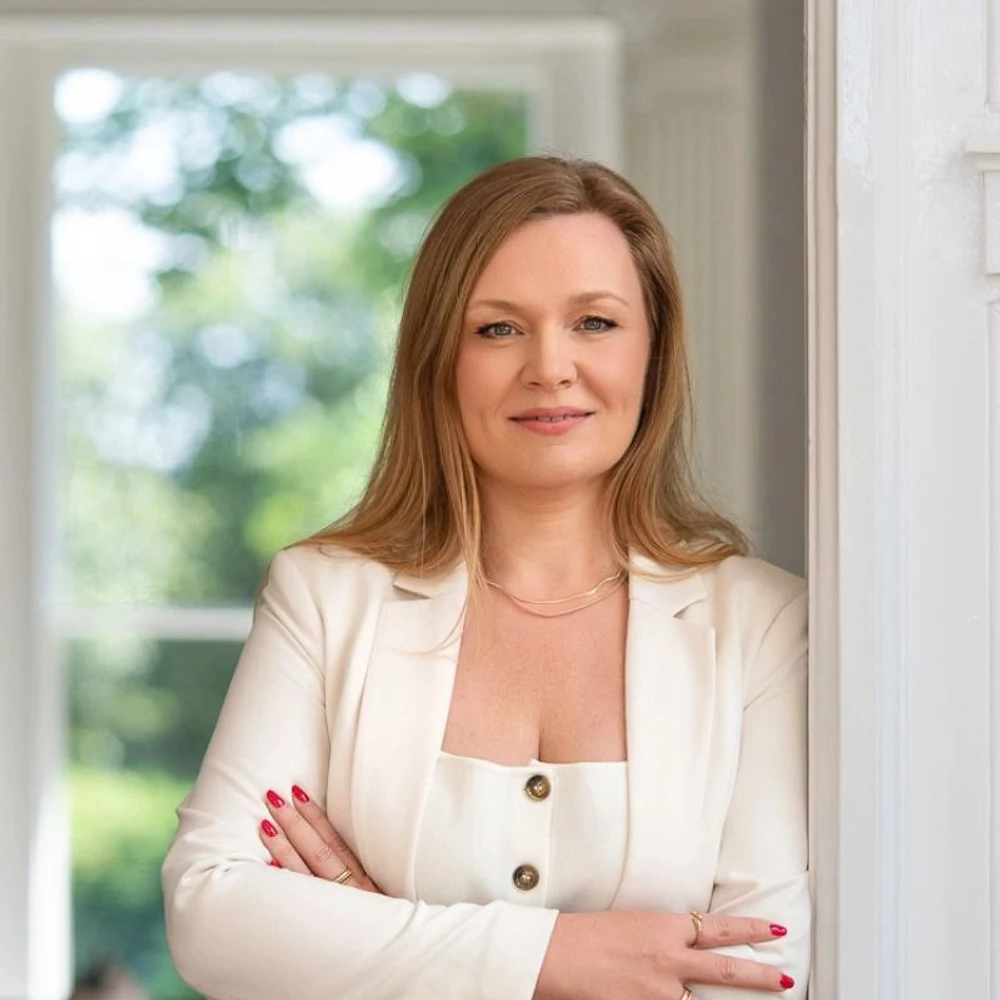
Whether you're figuring out tech packs, looking for a manufacturer or trying to work out where to start, you'll find honest, experience-backed advice here. Every post is written by Michelle Ramsay, a freelance fashion designer and startup mentor with over 20 years of industry experience.

When Kocool, a vibrant Spanish athletic apparel brand, approached me to design several collections over a space of several seasons, I knew it was an exciting opportunity to merge style with performance.

Kocool’s commitment to high-quality, functional activewear that resonates with modern, active lifestyles aligned perfectly with my design ethos and I loved their values of empowering females in sport by using real life athletes and sportswomen in their marketing campaigns.


Over the course of our collaboration, I worked on creating a variety of garments and helped shape collections that truly represented the brand’s identity.


The Scope of the Collections

The collections I designed for Kocool included a versatile range of activewear staples:

  • Leggings – Tailored for performance and comfort, with a focus on technical details like seamless designs, compression panels, and storage pockets.

  • Hoodies and Zip-Through Jackets – Layering essentials with contemporary silhouettes and breathable fabric options.

  • T-Shirts and Vests – Lightweight, sweat-wicking pieces designed for a wide range of activities.

  • Sports Bras and Crop Tops – Supportive and stylish, with attention to detail in fit, coverage, and aesthetic appeal.


This variety of styles allowed for a comprehensive and cohesive offering that would appeal to a diverse audience, from gym enthusiasts to casual wearers looking for performance pieces.


The Design Process

As with any successful collection, the journey from concept to finished product involved several key stages:


1. Concept and Full Collection Design

My first step was to create designs that aligned with Kocool’s brand vision and customer needs. Drawing inspiration from the latest trends in activewear and incorporating timeless design principles, I developed collections that blended functionality with modern aesthetics. Each piece was designed with careful consideration of Kocool’s target market, ensuring the styles were both practical and appealing.

2. Technical Development

Once the designs were approved, I created detailed tech packs and sizing specifications. These documents served as the blueprint for manufacturing, providing precise instructions on measurements, fabric choices, construction methods, and finishing details. Accuracy was paramount at this stage to ensure consistency and quality throughout the production process.

3. Sampling and Refinement

The sampling phase was a collaborative effort between myself, Kocool, and the manufacturing team. As samples were produced, I worked closely with the team to evaluate and refine each style. Adjustments were made to improve fit, functionality, and overall design, with updates to the tech packs as needed. This iterative process ensured that the final products met both Kocool’s and my high standards.

4. Fabric and Technical Features

Activewear demands high-performance materials, so I suggested fabrics that offered the perfect balance of durability, breathability, and stretch. From moisture-wicking textiles to compression fabrics and seamless constructions, every choice was made with the end user in mind. I also recommended technical details such as concealed zippers, mesh panels for ventilation, and ergonomic seam placements to enhance the functionality of the garments.


The Final Results

The collections I created for Kocool were a testament to the power of collaboration. The designs not only captured the brand’s essence but also delivered on the promise of quality and innovation. Customers could enjoy activewear that performed as well during workouts as it did as part of a stylish, everyday wardrobe.


What I Learned

Designing for Kocool was a rewarding experience that highlighted the importance of communication and precision. From aligning creative visions to refining technical details, the process reinforced the value of a thorough, hands-on approach.


Looking Forward

This collaboration with Kocool represents just one example of how I help brands bring their vision to life. Whether it’s athletic apparel, casual wear, or high-end collections, my approach always prioritises the needs of the brand and its audience. If you’re looking to design and launch your own fashion line, I’d love to help you bring your ideas to life.

Interested in collaborating? Let’s chat! Drop me an email at info@thefashionexpert.com


or book a free, no obligation chat to see if we would be a good fit. Choose a time from my calendar below:


Starting a fashion brand from scratch can feel both exciting and overwhelming at the same time, especially if you have no prior experience in the fashion industry. Maybe you’ve been dreaming about seeing your designs online and in-store or envision a clothing brand that stands for something meaningful to you. But as you’ve probably already discovered down a Google rabbithole at 11 pm, bringing this dream to life takes more than creativity alone.

This step-by-step guide will show you how to launch a fashion brand and walk you through why each stage is essential, highlighting the purpose behind each step. Before you dive into sourcing fabrics or speaking to manufacturers, it’s important to map out your launch properly. If you haven’t done that yet, start with the Fashion Brand Launch Blueprint, which helps you clarify your idea, positioning and next steps before investing time or money.

Think of this as a taster, giving you a bird’s-eye view of the journey and setting you on the path toward your new venture.


1. Define your brand vision and identity

Creating a fashion brand begins with knowing exactly who and what your brand is. Successful brands aren’t born from generic ideas; they come from a clear sense of purpose and personality. Your brand identity is more than a name or a logo—it’s the heartbeat of your brand, influencing everything from design to marketing. When you have a solid brand identity, every decision flows from this foundation, making it easy to connect authentically with your target audience.

Why? Without a clear brand identity, it’s easy to lose direction and end up with a brand that blends in rather than stands out. Your audience wants to know what makes you unique. This is why developing a solid vision is one of the first things we dive into in The Fashion Startup Academy because it all starts here.


2. Know your target audience before you design anything

Fashion brands succeed when they resonate with the right audience. Knowing who your customer is goes beyond simple demographics—it’s about understanding their needs, values, and how your brand fits into their lives. An in-depth understanding of your audience helps you design pieces that will truly speak to them.

Why? If you don’t know who you’re designing for, your collections may fall flat. It’s like trying to have a conversation without knowing who’s on the other side. In The Fashion Startup Academy, I teach you how to dig into audience research so that your brand speaks directly to the people who’ll love it most.


3. Design your collection, plan your range and create your tech packs

The design phase is where your vision becomes tangible. From choosing fabrics to selecting colours, every design choice contributes to your brand’s story and appeal. Range planning is equally crucial—it’s where you decide the balance of pieces in your collection, such as core items, statement pieces, and seasonal trends. Product selection, on the other hand, helps determine which items make the final cut and ultimately represent your brand in the marketplace.

And then, there’s the tech pack, an essential yet often overlooked part of the process for new fashion founders. A tech pack is a blueprint that translates your design into a language that manufacturers understand. It includes technical specifications, materials, sizing details, and construction notes, ensuring that your vision is brought to life with accuracy and consistency.

Why? A strategic approach to design, range planning, and product selection ensures that your collection is cohesive, on-brand, and aligned with customer needs. Without a clear vision and balanced range, even the best designs can fall short in the market. By thoughtfully selecting products that fit within a well-planned range, you create a collection that is not only visually appealing but also commercially viable. Without a tech pack, the production process can become a game of guessing, leading to costly mistakes and miscommunications. By preparing clear, precise tech packs, you ensure that your designs are executed precisely, saving you time and resources.

When you work with me, I take you through each stage. This ensures you’re not just designing what looks good, but what will connect with your customers and succeed in the competitive fashion landscape.

If you’re unsure what factories expect, read this guide on what makes a professional tech pack.


Ready to launch your fashion brand with expert support?

I've helped hundreds of first-time founders go from idea to launched brand - here's how we can work together.


4. Source fabrics and find the right manufacturer

Finding reliable, ethical, and high-quality manufacturers can be one of the trickiest aspects of starting a fashion brand. Choosing the right partners means ensuring that your brand values are upheld throughout production and that your final product meets your quality standards.

Why? Partnering with the wrong suppliers can lead to production delays, quality issues, or even ethical dilemmas. This stage of the process is foundational for creating a reliable brand, which is why I've got your back with my little black book of manufacturers who welcome working with startups and offer smaller MOQs. I can guide you on sourcing and working with manufacturers who align with your vision to make the whole process seamless.


5. Develop your products from sample to production

Your products are your brand’s ultimate representation. This is why understanding the product development process is crucial, from concept to prototype and production. The fashion market is saturated with options, so creating pieces that stand out and reflect quality is a must.

Why? Rushing through product development can lead to quality issues and lacklustre products that don’t resonate with your audience. A well-thought-out product not only builds customer loyalty, but also sets the foundation for your brand’s reputation, bringing designs to life without compromising quality or uniqueness.


6. Build your brand story and marketing plan

Brand marketing is more than advertising—it’s about telling a story that your customers can connect with. People are increasingly buying from brands they feel a connection to, so crafting a message that’s authentic and resonates with your audience is crucial.

Why? Even with amazing products, if you don’t market your brand effectively, no one will know about it. Good marketing is how you turn your brand into something people can’t wait to talk about. Understanding how to create a unique marketing plan that captures your brand’s story in a way that feels authentic to you is paramount.


7. Plan your launch strategy and timing

Your brand’s launch is your first major step into the industry, and you want it to be memorable. A well-executed launch strategy sets the tone for everything that follows and can make or break your entry into the market. Understanding trends, retail, seasonality and a realistic calendar is going to be your first step to getting it right.

Why? Timing, strategy, and preparation are key. A strong launch creates buzz, positions your brand, and can help you start building a loyal customer base.


8. Build for long-term growth after launch

Once your brand is up and running, the work doesn’t stop. Successful fashion brands are built on a commitment to growth and evolution, maintaining consistency in quality and branding while adapting to industry changes.

Why? Building a brand is a long-term journey, and adapting to new trends, customer feedback, and industry shifts keeps your brand relevant.


Ready to Start Your Journey?

Starting a fashion brand without industry experience can feel overwhelming, but the difference between struggling alone and launching successfully is structure.


The Fashion Startup Academy is my structured, six-milestone mentoring programme designed for ambitious founders who are serious about building a commercially viable fashion brand. Inside the Academy, you work through each stage of development, from concept and collection planning to sourcing, sampling, production and launch, all with practical guidance, industry insight and personalised 1:1 mentoring.

This isn’t about “trying to figure it out” or piecing together poor advice from Google. It’s about launching your brand properly, with clarity, confidence and professional standards from day one.

If you're ready to move from idea to execution with expert guidance at every step, explore The Fashion Startup Academy and see how the programme works.


Frequently asked questions about starting a fashion brand


How do I start a fashion brand with no experience?


You don't need a fashion degree or industry background to start a brand, but you do need a structured process. Most of the founders I work with come to me with zero industry experience and a strong idea. The difference between those who launch and those who stay stuck is having a clear sequence of steps and someone to guide them through the parts they can't Google, like tech packs, factory communication and sampling.


How much does it cost to start a clothing brand?


It depends on the complexity of your collection, but most first-time founders I work with start with a budget of £5,000–£20,000 for their first collection. That typically covers design, tech packs, sampling and a small initial production run. The biggest cost mistake people make is spending money in the wrong order — investing in branding or marketing before they have a manufacturable product.


How long does it take to launch a fashion brand?


From concept to having a finished product in hand, most founders take between 6 and 12 months. It can be faster with dedicated focus and professional support, or longer if you're fitting it around a full-time job. The Fashion Startup Academy is structured around a 12-week programme for exactly this reason — it keeps you moving without rushing the stages that matter.


Do I need a tech pack before approaching a manufacturer?


Yes. A tech pack is the document a factory works from — it contains every measurement, construction detail, fabric specification and trim placement for each garment. Without one, a manufacturer is guessing, which means your samples won't match your vision and you'll waste time and money on corrections. I create tech packs for clients as part of both my design services and the Fashion Startup Academy.


What is the first step to starting a fashion brand?


Before you touch a design or contact a factory, get clear on your brand identity, your target customer and your positioning. This foundational work shapes every decision that follows. My free Fashion Brand Launch Blueprint walks you through this stage so you can start with clarity rather than guesswork.


Want 1:1 guidance through every step?

Book a free discovery call and let's talk about where you are now and how I can help fast track your fashion brand.


About Michelle Ramsay

I’m a fashion designer and startup mentor with over 20 years of experience across womenswear, menswear and activewear. I help ambitious founders who aren’t from the fashion industry design and launch their brands properly, without wasting time, money or second-guessing themselves.

I’m also the host of The Fashion Startup Podcast, where I share insights, founder stories and industry expertise to help emerging brands build momentum the right way.

If you're starting a clothing line and want to do it properly from day one, you're exactly who I work with.


Launching a clothing line is a dream for many people, but turning that dream into reality is where most aspiring entrepreneurs stumble. As someone deeply passionate about fashion, you may have spent countless hours imagining your brand, thinking up designs, and daydreaming about the day your collection hits the runway. However, if you’re stuck on the sofa, scrolling through Instagram and researching endlessly, you might be trapped in what I heard Steven Bartlett call the sofapreneur cycle: scrolling through social media, attending virtual webinars, and fantasising about being your own boss without ever taking the real steps needed to turn your vision into a reality.

Being a sofapreneur means you’re holding on to the dream of running a fashion brand, but fear, doubt, and overwhelm are keeping you from taking the steps necessary to move forward. Let’s explore how to overcome this pattern, and why having a mentor could be the key to finally transforming from sofapreneur to a fully-fledged fashion founder.


What Is It?

A sofapreneur is someone who dreams of launching a business—like a fashion line—but finds themselves stuck in the phase of constant planning without execution. These individuals might research for hours, follow fashion trends, and even have a collection of design ideas. Yet, when it comes to taking action, they hesitate.

It’s easy to feel like you're progressing when you’re absorbing information, but staying in this comfortable zone rarely leads to building a real, tangible business.


Why Do People Fall Into Sofapreneurship?


1. Fear of Failure

Fear is often the biggest barrier. The thought of putting yourself out there—whether through launching a fashion line or pitching your designs—comes with the risk of failure. Will people like your collection? Will you be able to handle the challenges that come with building a brand? These questions can keep you in research mode, where everything feels safer.


2. Overwhelm

Starting a fashion line involves many moving parts. From fabric sourcing, production logistics, and marketing, it’s easy to become overwhelmed by the number of steps it takes to go from an idea to a launch-ready product. This sense of overwhelm can make it easier to just keep planning rather than doing.


3. Perfectionism

Perfectionists often struggle with the idea of launching anything until every single detail is flawless. But as any seasoned fashion entrepreneur knows, perfection doesn’t exist, and waiting for it can mean you never get your brand off the ground.


4. Comfort Zone

Sofapreneurship is comfortable. Sitting on the sofa, consuming content, and dreaming about your future business keeps you in your comfort zone. But true entrepreneurship happens when you step outside of that comfort zone, face your fears, and take action.


The Power of a Mentor in Breaking the Sofapreneur Cycle


The good news is you don’t have to do it all alone. One of the most effective ways to transition from being a sofapreneur to a successful fashion founder is to seek out the guidance of a fashion mentor. someone who has been where you want to go and can

help you get there faster, with fewer costly mistakes along the way.


1. Experience and Knowledge

A mentor can offer you something that Google searches and Instagram

inspiration simply can't - first-hand experience. I've spent over 20 years

working in the fashion industry, designing for brands including Gymshark,

ASOS and Topshop, and for the past decade, I've been working with first-time

founders to help them navigate exactly the journey you're on. Fashion is a

tough, competitive industry, and having someone who has been through it all

means you can avoid the common pitfalls, learn from real experience, and

fast-track your progress in ways that social media and online articles simply can't

give you.


2. Accountability and Structure

One of the biggest advantages of having a mentor is accountability. It’s easy to convince yourself that you’re working on your fashion brand when you’re just researching, but a mentor will push you to set concrete goals and meet them, helping you move from passive planning to active building.

This is exactly what I do in my 1:1 mentoring sessions and the Fashion Startup Academy

- breaking the whole process down into clear, manageable milestones so you

always know exactly what to do next, and why. Instead of feeling overwhelmed

by everything that needs to get done, you have a structure to follow and

someone keeping you on track throughout the process of starting your clothing line.


Ready to stop researching and start building your fashion brand?

I've helped hundreds of first-time founders go from sofapreneur to launched

brand - with real industry expertise, honest guidance and 1:1 support every

step of the way.


3. Objective Feedback

One of the toughest parts of launching a clothing line is knowing if you’re heading in the right direction. A mentor provides objective, experienced feedback on your designs, your brand concept, and your overall approach. This feedback is invaluable, especially when you’re trying to figure out if your ideas are worth pursuing or need refining.


4. Network and Resources

The fashion industry is built on relationships. A mentor who has spent time in the industry will have a network of valuable contacts, from suppliers and manufacturers to stylists and retailers. Access to these resources can help you build your brand faster and with more confidence. Rather than starting from scratch and figuring out everything on your own, you benefit from their connections and insights.


How to Find the Right Mentor for Your Fashion Journey


Finding a mentor who understands both your vision and the fashion industry

is crucial. Look for someone who has not only built real experience working

in the industry, but has also helped others navigate the startup journey

successfully. You want someone who can relate to the challenges you face and

offer practical, actionable advice, not just theory.


I specialise in working with aspiring fashion founders who have no industry

experience and honestly, that's most of my clients. Through my

helped hundreds of first-time founders go from idea to launched

brand. You don't need to know the industry before you start as that's

exactly what I'm here for.


Moving From Sofapreneur to Founder: The Next Steps


1. Commit to Taking Action

The first step to overcoming sofapreneurship is committing to action. Start with small steps. Maybe it’s sketching your first collection or sourcing fabrics. Or perhaps it’s simply reaching out to a mentor who can guide you through the process. The key is to break free from the cycle of endless planning and take real, tangible steps toward building your brand.


2. Trust the Process

Building a successful fashion line doesn’t happen overnight, and it doesn’t need to be perfect from day one. Trust that with each step, you’re learning and growing. A mentor will help you navigate the process and make sure you stay on course, even when things feel overwhelming.


3. Be Open to Feedback

Remember that feedback is crucial. It may be hard to hear at times, but the guidance of someone with more experience can help you refine your ideas and make your brand stronger. A mentor will offer constructive criticism that will push you toward success.


4. Get Comfortable with Failure

Fear of failure is often the biggest roadblock. Understand that every successful entrepreneur has failed multiple times before getting it right. Failure is a learning tool. The sooner you embrace the possibility of failure, the sooner you can start moving forward with your brand. In fashion, not every design will be a hit, and that’s okay. It’s part of the journey.


5. Break Down Tasks

If overwhelm is holding you back, break down your tasks into smaller, manageable pieces. Start with one thing at a time. For example, start by designing a single piece instead of creating a full collection. Instead of focusing on launching a full-fledged business, focus on prototyping your designs or sourcing fabrics. Small steps will gradually build momentum.


6. Take Imperfect Action

Perfection is the enemy of progress. Rather than waiting for everything to be perfect, launch your brand or product in a commercially viable state and refine it as you go. You’ll learn a lot from putting your designs out there than from endlessly reworking them and never starting.


7. Seek Accountability

One of the best ways to break out of sofapreneurship is to seek accountability. Working with a mentor or joining a mastermind group can help you set clear goals and hold you responsible for meeting them. Having someone else invested in your success pushes you to act rather than remain stuck in planning mode.


8. Embrace the Process

Building a fashion brand is a journey, not a sprint. Celebrate the small wins, and remember that growth takes time. It’s easy to get discouraged, especially when you’re not seeing immediate results. But every step forward—no matter how small—is a step closer to building the brand of your dreams.


Final Thoughts

It's easy to get stuck in the world of sofapreneurship, especially in an

industry like fashion where the stakes feel high and the path isn't always

clear. But the key to success is action. Sitting on the sidelines, no matter

how much you research or plan, won't get your brand off the ground.


With over 20 years of industry experience and having helped hundreds of

founders just like you, I know exactly what it takes to go from idea to

launched brand, and I know how to get you there without the costly mistakes

that trip most people up. By overcoming the fears and obstacles holding you

back and having the right support in place, you can turn your ideas into a

clothing brand that truly represents your creative vision.


The journey to becoming a fashion founder may seem daunting but it becomes a lot easier when you realise you don't have to do it alone.


The Fashion Startup Academy takes you from idea to launched brand.

A structured six-month programme with fortnightly 1:1 mentoring sessions,

learning resources and expert guidance, designed for founders who are ready

to stop dreaming and start doing.


See you in the front row,

Michelle.


About Michelle Ramsay – The Fashion Expert®

Michelle Ramsay is a fashion designer, startup mentor and fashion consultant with over 20 years of industry experience helping founders bring their fashion brand ideas to life.

Through The Fashion Expert®, she works with first-time and emerging founders on everything from design development and tech packs to manufacturing guidance, launch planning and one-to-one mentoring, helping turn messy ideas and Pinterest boards into real collections ready for production.

After working with more than 400 fashion founders, Michelle has become known for helping people without fashion industry backgrounds navigate the process with clarity, confidence and expert support.

bottom of page